Panama Visas & Residency: A Path for Property Buyers
Buying property in Panama is often the beginning of a much larger question. Can I live here? Can I stay longer than a tourist? Can my family move with me? Can real estate help me obtain residency? Can Panama become not only an investment, but a legal base, a second home or a long-term relocation plan? For many international buyers, the answer is yes. Panama has one of the most attractive residency systems in Latin America. It offers several legal pathways for investors, retirees, remote workers, entrepreneurs, families and people who want to spend part of the year in the country. This guide explains the most popular Panama visa and residency options for property buyers, with a practical focus on real-life scenarios. It is not legal advice. Immigration rules can change, and every application should be reviewed by a licensed Panamanian lawyer. But it will help you understand the logic of Panama's immigration system and choose the right strategy before buying property.
Why Visas Matter When Buying Property in Panama
Many buyers first look at Panama because of real estate. Oceanfront apartments. Modern towers in Panama City. Beach homes on the Pacific Coast. Mountain properties in Boquete. Investment units with rental income. But after the first viewing, the conversation usually changes. A property buyer starts asking deeper questions. How long can I stay? Can I open a bank account? Can I get a local ID? Can I bring my spouse and children? Can I retire here? Can I use the property as part of a residency application? This is why immigration planning should be part of the buying process from the beginning. The right property can support the right visa strategy. The wrong structure can create unnecessary delays, extra costs or missed opportunities.
The Basic Logic of Panama's Immigration System
Panama's immigration system can be understood in several stages. First, there is tourist entry. Many nationalities can enter Panama without applying for a visa in advance and stay for a limited period as tourists. This is suitable for scouting trips, property viewings, short stays and first visits. Second, there are temporary or short-stay visas. These are useful for people who want to spend more time in Panama but are not yet ready for permanent residency. The digital nomad visa is one example. Third, there are temporary residency permits. Some programs first grant temporary residence for a defined period, after which the applicant can apply for permanent residence if the conditions are maintained. Fourth, there is permanent residency. Permanent residency gives a much stronger legal base in Panama. It is especially important for people who want long-term flexibility, banking access, family relocation or a future path toward citizenship. Finally, there is naturalization. Panama residency may eventually lead to citizenship, but this is a separate legal process with its own requirements, timelines and discretion. For property buyers, the key question is not only "Can I buy real estate?" Foreigners can generally buy titled property in Panama. The more important question is: which immigration path best matches my personal plan?
Main Visa and Residency Options for Buyers
The most popular legal pathways for property buyers and international residents are: Qualified Investor Visa. Friendly Nations Visa. Pensionado Visa. Digital Nomad Visa. Economic Solvency Visa. Work-based residency. Family-based residency. Tourist stay strategy. Each one is designed for a different type of person. There is no single "best visa for Panama." There is only the best visa for your situation.

Quick Comparison of Popular Panama Residency Options
Qualified Investor Visa. Best for: serious real estate investors who want fast permanent residency. Typical real estate threshold: from US$300,000 until the current deadline period, expected to rise afterward. Status: permanent residency after approval. Main advantage: speed and strength. Main limitation: higher capital requirement. — Friendly Nations Visa. Best for: citizens of eligible countries who can show economic ties to Panama. Common routes: real estate ownership, employment, or qualifying investment structure. Status: temporary residency first, then possible permanent residency after two years. Main advantage: accessible for many nationalities. Main limitation: no longer gives immediate permanent residency. — Pensionado Visa. Best for: retirees or people with a lifetime pension or annuity. Typical income requirement: around US$1,000 per month for the main applicant. Status: residency for pensioners. Main advantage: one of the most famous retirement programs in the world. Main limitation: requires qualifying lifetime income. — Digital Nomad Visa. Best for: remote workers earning income from outside Panama. Typical income requirement: foreign-source income of about US$36,000 per year. Status: short-stay visa, usually temporary. Main advantage: easy lifestyle bridge. Main limitation: not a permanent residency strategy. — Economic Solvency Visa. Best for: financially independent applicants using real estate, bank deposits or a combination. Status: temporary first, then possible permanent residency. Main advantage: useful for people with assets but not necessarily pension income. Main limitation: less direct than Qualified Investor for many property buyers.
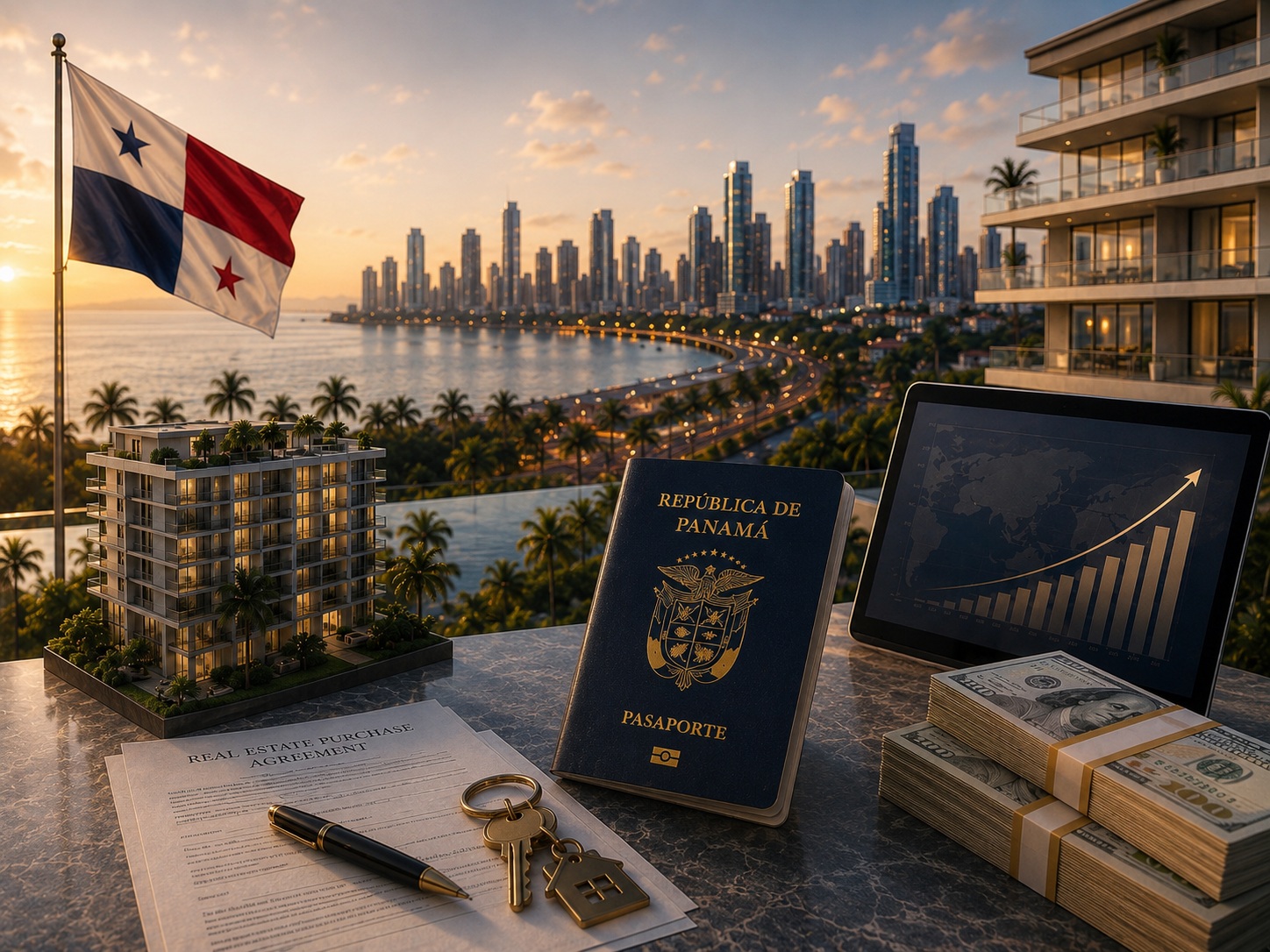
Qualified Investor Visa: Panama's Real Estate Golden Visa
The Qualified Investor Visa is one of the most important options for property buyers. It is often called Panama's Golden Visa. This program is designed for investors who make a qualifying investment in Panama. One of the most popular routes is real estate. For buyers who want a direct connection between property purchase and permanent residency, this is usually the first program to consider. — Who the Qualified Investor Visa Is For. This visa is best for people who want: permanent residency as quickly as possible; a strong legal base in Panama; a real estate-backed immigration strategy; a second residence in a dollarized country; a long-term family option; a jurisdiction in Latin America with strong international connectivity. It is especially attractive for investors who were already planning to buy a property of sufficient value. If you are buying a US$300,000+ apartment, villa or investment property, it may be possible to structure the acquisition to support this visa. — Why Property Structure Matters. For immigration purposes, not every real estate transaction is automatically useful. The title, value, timing, registration, ownership structure and documentation all matter. Before signing a purchase agreement, the buyer should confirm: whether the property qualifies; whether titled ownership is required; whether pre-construction property can be used and at what stage; whether the property must be registered before application; whether financing is allowed; whether ownership should be personal or through a company; whether dependents can be included; whether the applicant needs to be physically present in Panama. These questions should be answered before the buyer commits funds. A beautiful property may be a good investment but not the best immigration asset if it is structured incorrectly. — Advantages. The biggest advantage is speed. Compared with many residency programs around the world, Panama's Qualified Investor Visa is considered relatively fast. The second advantage is clarity. The program is built around investment, which makes it easier to understand than some employment-based or discretionary immigration routes. The third advantage is permanence. For buyers who want a serious long-term option, permanent residency is much stronger than repeated tourist stays. The fourth advantage is family planning. Spouses and dependent children may often be included, subject to requirements. The fifth advantage is portfolio logic. The buyer is not simply spending money on immigration. They are acquiring a real estate asset that may also serve as a home, rental property or long-term investment. — Limitations. The main limitation is capital. This is not the cheapest route. It is designed for investors with significant funds. Another limitation is timing. If the minimum investment threshold is scheduled to increase, buyers should not wait until the last moment. Real estate due diligence, contract negotiation, title checks, fund transfers, registration and immigration preparation all take time. A third limitation is legal precision. This is not a visa to handle casually. The investment must be documented correctly. — Best Buyer Scenario. This route is ideal for a buyer who says: "I want to buy real estate in Panama anyway, and I want my purchase to support a strong residency strategy." It is also ideal for families who want a serious Plan B. A city apartment in Panama City, a high-quality beach property or a long-term rental investment can become more than a property. It can become the foundation of legal residence.
Friendly Nations Visa: A Flexible Route for Eligible Citizens
The Friendly Nations Visa is one of Panama's most famous immigration programs. Historically, it was known as one of the easiest paths to residency in Panama. The program has changed, and it no longer works the same way it did years ago. Today, applicants from eligible countries generally receive temporary residency first. After maintaining the required conditions, they may apply for permanent residency. This distinction is important. Old articles online often describe the Friendly Nations Visa as an immediate permanent residency program. That is outdated. — Who It Is For. This route is best for citizens of eligible countries who can demonstrate economic or professional ties to Panama. It may be suitable for: property buyers; people employed by a Panamanian company; business owners; investors who want a lower-cost route than the Qualified Investor Visa; families planning a gradual relocation; buyers who are not in a rush to obtain permanent residency immediately. — Friendly Nations and Real Estate. Real estate ownership can be one way to show economic ties to Panama. For some buyers, this makes the Friendly Nations Visa attractive. The property threshold is generally lower than the Qualified Investor route, but the result is also different. Instead of immediate permanent residency, the applicant typically enters a temporary residency phase first. This can be perfectly acceptable for many buyers. For example, a family buying a property and planning to move gradually may not need immediate permanent residency. A two-step process may work well. — Advantages. The main advantage is accessibility. For eligible nationalities, it can be one of the most practical routes to legal residence. The second advantage is flexibility. It may be based on different types of economic connection. The third advantage is suitability for families. Dependents can often be included, subject to documentation and financial requirements. The fourth advantage is compatibility with property ownership. A buyer who is already purchasing real estate may be able to use that ownership as part of the immigration strategy. — Limitations. The main limitation is that it is no longer the same "instant permanent residency" route many people remember. It requires patience. The applicant must maintain the conditions that supported the application. Another limitation is nationality. Only citizens of eligible countries can apply. A third limitation is documentation. Applicants usually need apostilled police records, proof of economic activity, bank documents, health certificates and other paperwork. — Best Buyer Scenario. This route is ideal for a buyer who says: "I want to buy property in Panama and create a legal base, but I do not need the fastest premium investor route." It works well for internationally mobile buyers, families and professionals who want flexibility and can wait for permanent residency.
Pensionado Visa: Panama's Famous Retirement Route
The Pensionado Visa is one of Panama's most well-known residency programs. It is designed for people who receive a qualifying lifetime pension, retirement income or annuity. Despite the name, it is not always limited by age in the way many people assume. The key requirement is usually the qualifying lifetime income. For retirees, this can be one of the most attractive visa options in Latin America. — Who It Is For. This visa is best for: retirees; people with government pensions; people with private lifetime pensions or annuities; buyers seeking a retirement home in Panama; individuals who want long-term residence without making a large investment; couples planning to relocate after retirement. — Income Requirement. The common baseline requirement is a lifetime pension or annuity of around US$1,000 per month for the main applicant. If dependents are included, additional income may be required. In some cases, purchasing real estate above a certain value may reduce the required pension income. Because pension documentation must be accepted by Panamanian authorities, the source, wording and authentication of documents are very important. — Pensionado and Real Estate. The Pensionado Visa does not require the applicant to buy real estate. This is one of its strengths. A retiree can rent first, explore the country and then buy later. However, many Pensionado applicants eventually purchase property because Panama becomes their long-term base. Popular locations include: Panama City. Coronado. Boquete. David. Pedasí. El Valle de Antón. Pacific beach communities. For retirees, the best property is not always the one with the highest rental yield. It is often the one with the right balance of climate, healthcare, walkability, community and access to services. — Advantages. The main advantage is cost efficiency. Compared with investment visas, the financial threshold may be much lower if the applicant has qualifying pension income. The second advantage is lifestyle alignment. Panama is already a popular retirement destination, and this visa is designed for that profile. The third advantage is stability. A lifetime pension supports a long-term residency case. The fourth advantage is benefits. Panama's pensioner system is known for offering discounts on certain services, entertainment, transport, medical services and other categories. — Limitations. The main limitation is the income type. Not all income qualifies. Investment income, business income or rental income may not be treated the same as a lifetime pension. Another limitation is documentation. The pension must be proven properly, usually through official documents that are authenticated or apostilled. A third limitation is lifestyle suitability. The visa may be ideal for retirement, but not necessarily for someone who wants to work locally or run an active business in Panama. — Best Buyer Scenario. This route is ideal for someone who says: "I have stable lifetime retirement income and want Panama as a long-term lifestyle base." For retirees buying property, it may be the most elegant route.
Digital Nomad Visa: A Bridge for Remote Workers
The Digital Nomad Visa, also known as the Short-Stay Visa for Remote Workers, is designed for people who work remotely for foreign companies or foreign clients. It is not a permanent residency program. It is a short-term legal stay option. But for many modern buyers, it is extremely useful. — Who It Is For. This visa is best for: remote workers; freelancers with foreign clients; online business owners; consultants; tech professionals; digital entrepreneurs; people testing Panama before making a long-term move. It is especially useful for someone who wants to live in Panama for several months while deciding whether to buy property. — Income Requirement. Applicants generally need to show foreign-source income of at least about US$36,000 per year. This income should come from outside Panama. The logic is simple: the applicant can live in Panama but is not entering the local labor market. — Advantages. The main advantage is flexibility. It allows remote workers to live in Panama legally for a defined period without immediately committing to permanent residency. The second advantage is speed. It can be a practical entry route for people who are not yet ready to invest. The third advantage is lifestyle testing. A remote worker can spend time in Panama City, the beaches or the mountains before deciding where to buy. The fourth advantage is simplicity compared with investor residency. — Limitations. The main limitation is duration. It is not designed as a permanent solution. Another limitation is income source. The income must come from outside Panama. A third limitation is long-term planning. If the person later wants permanent residency, they will need another route. — Best Buyer Scenario. This route is ideal for someone who says: "I want to live in Panama for 9 to 18 months, work remotely and decide whether to buy property." For many younger buyers and entrepreneurs, this is the perfect first step.
Economic Solvency Visa: A Traditional Asset-Based Route
The Economic Solvency Visa is another pathway based on financial capacity. It may involve real estate, bank deposits or a combination of assets. This route can be useful for applicants who want to demonstrate economic stability but do not necessarily fit the Pensionado or Friendly Nations categories. — Who It Is For. This route may suit: financially independent individuals; property buyers; people with bank deposits; families with assets but no pension; applicants who want a more traditional solvency-based residency path. — Economic Solvency and Real Estate. Real estate may form part of the qualification. The applicant must prove that they have invested or hold assets at the required level. As with other property-linked visas, documentation is crucial. The title, value, registration and ownership structure must be reviewed before relying on the property for immigration purposes. — Advantages. The main advantage is that it is asset-based. It can work for people who have capital but no pension and no eligible nationality under Friendly Nations. It may also suit conservative applicants who want to demonstrate financial independence. — Limitations. It may be slower or less direct than the Qualified Investor route. It may also require temporary residency before permanent residency. For many real estate buyers with sufficient capital, Qualified Investor may be more attractive. But Economic Solvency can still be relevant depending on nationality, budget and timing.
Other Routes: Work, Family, Tourist
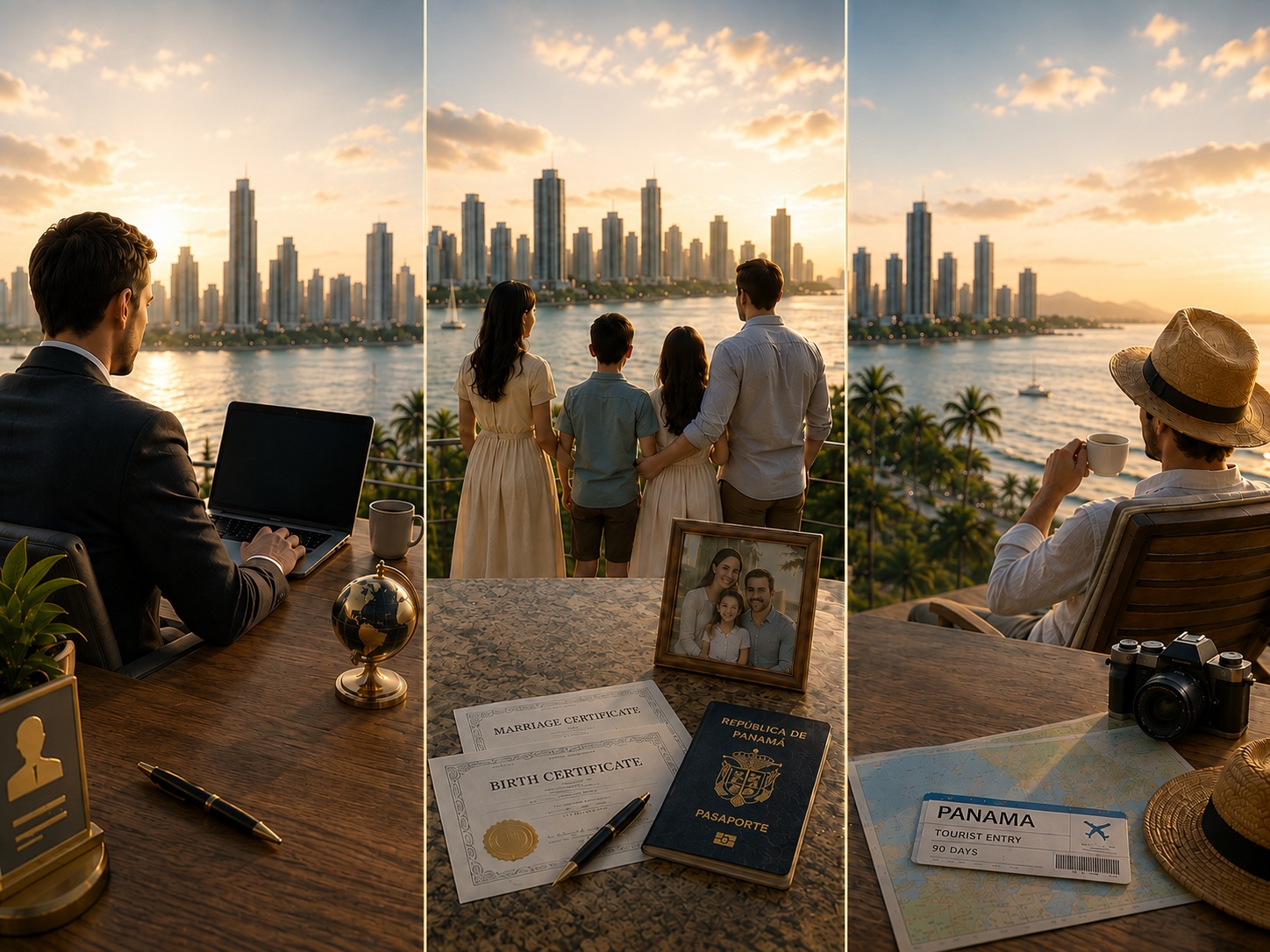
Work-Based Residency. Some foreigners obtain residency through employment in Panama. This usually requires a Panamanian employer, a work permit strategy and compliance with labor rules. For property buyers, this is less common unless the person is relocating for a job, joining a company or being transferred to Panama. It is best for: employees hired by Panamanian companies; executives transferred to Panama; specialists working under permitted categories; people relocating through corporate structures. The main advantage is that it is based on actual employment, and it may be practical for people moving to Panama for a job. Limitations: it is not ideal for passive investors; it depends on the employer and labor approval; it may not be the best strategy for someone whose main goal is buying property and living independently. — Family-Based Residency. Family ties can also support residency in Panama. This may apply to spouses, children, parents or other qualifying family relationships involving Panamanian citizens or residents. For property buyers, this route is relevant when one spouse already has residency, or when the family is applying together under a principal applicant. Dependents: most major residency programs allow dependents to be included, but requirements vary. Dependents may include: spouse; minor children; children up to a certain age if full-time students; parents in some cases. The principal applicant may need to show additional financial capacity for dependents. Family documents such as marriage certificates and birth certificates usually need apostille or authentication. — Tourist Stay Strategy. Not every buyer needs residency immediately. Some people buy property in Panama but only visit a few times per year. For them, tourist entry may be enough at first. This can work for: vacation home buyers; part-time residents; investors using property for rental income; people still exploring long-term plans. However, tourist status has limitations. It does not provide the stability of residency. It may not be ideal for opening bank accounts, obtaining local documents, enrolling children in school or spending most of the year in Panama.
Six Buyer Scenarios
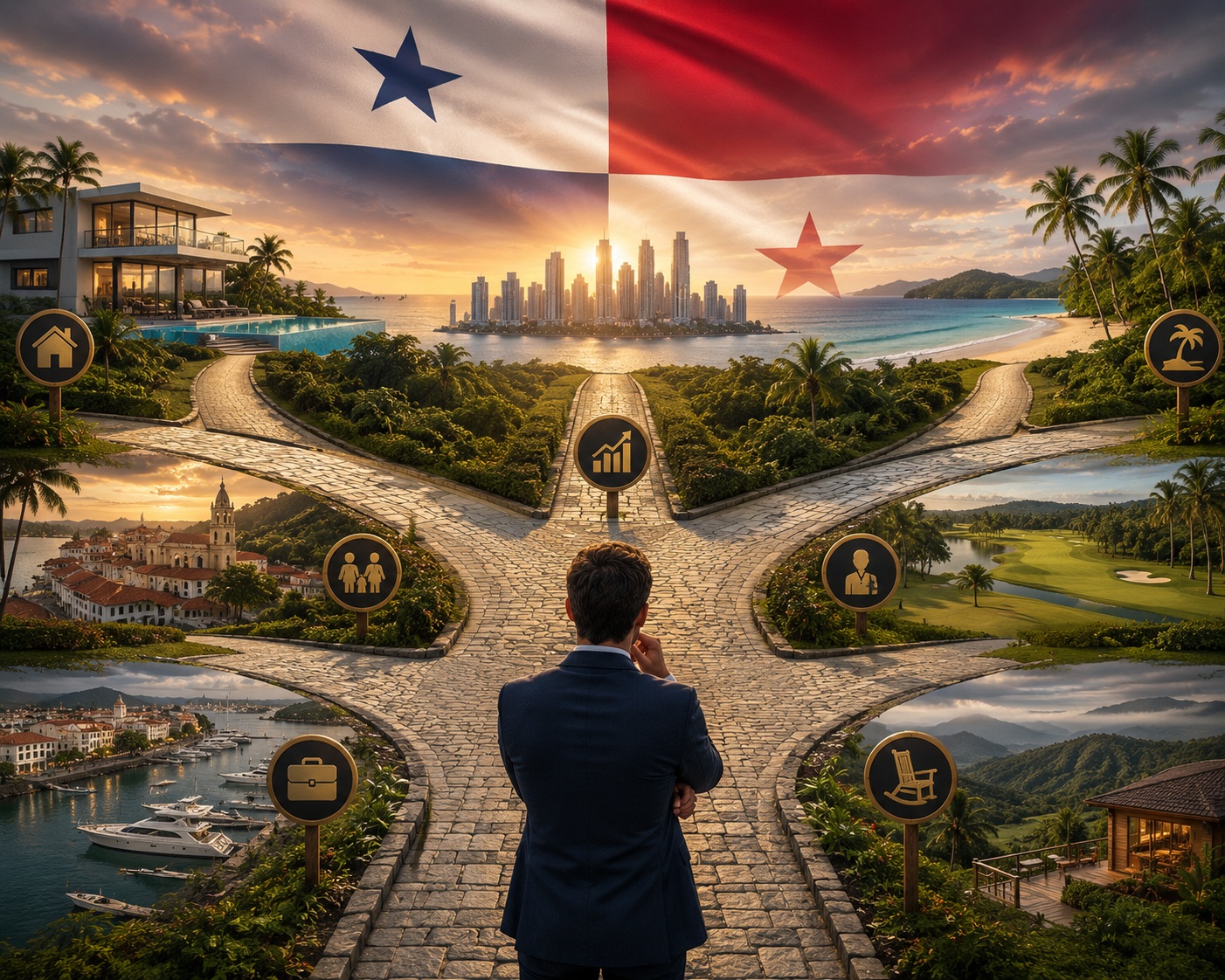
Scenario 1: The Real Estate Investor. Profile: the buyer wants to purchase a property in Panama mainly for investment. They may not plan to live in Panama full-time. They want legal flexibility and perhaps a second residency. Best options: Qualified Investor Visa if the property value meets the threshold and the buyer wants permanent residency; Friendly Nations Visa if eligible and willing to follow a two-step process; tourist stay if the buyer only visits occasionally and does not need residency. Recommended approach: start with the investment goal. Is the property for rental yield, capital appreciation, personal use or immigration? If immigration matters, choose the visa before choosing the property. — Scenario 2: The Retiree. Profile: the buyer has pension income and wants to live in Panama full-time or most of the year. They care about healthcare, safety, climate and community. Best options: Pensionado Visa; Qualified Investor Visa if making a large property purchase and wanting an investor route; Friendly Nations Visa if eligible and pension documentation is not suitable. Recommended approach: first confirm pension eligibility. Then choose location based on lifestyle and medical access. Do not buy too quickly. Many retirees should rent for several months before purchasing. — Scenario 3: The Digital Nomad. Profile: the buyer works online for foreign clients or a foreign employer. They want to test Panama before committing. Best options: Digital Nomad Visa; Friendly Nations Visa if eligible and planning longer-term residence; Qualified Investor Visa later if buying property above the threshold. Recommended approach: use Panama as a test base. Live in different areas. Compare Panama City, beaches and mountain towns. Buy only after understanding your daily rhythm. — Scenario 4: The Family with Children. Profile: the family wants to relocate and needs schools, healthcare and legal stability. Best options: Qualified Investor Visa if budget allows; Friendly Nations Visa if eligible; work-based residency if one parent has employment; Digital Nomad Visa as a temporary bridge. Recommended approach: choose school first. Then choose neighborhood. Then choose property. Immigration strategy should include all dependents from the beginning. — Scenario 5: The Entrepreneur. Profile: the buyer wants to live in Panama and possibly run a business. Best options: Friendly Nations Visa if eligible; investor or business-related residency depending on structure; Qualified Investor Visa if real estate investment is the primary route; work permit or corporate structure if operating locally. Recommended approach: separate three questions: where will you live? where will your income come from? will your business activity be inside or outside Panama? This distinction affects immigration, taxes and compliance. — Scenario 6: The Part-Time Resident. Profile: the buyer wants to spend winters, holidays or several months per year in Panama. They do not need full relocation. Best options: tourist entry; Digital Nomad Visa if working remotely and staying longer; residency later if the stay pattern becomes more permanent. Recommended approach: do not overcomplicate the first year. Buy carefully, understand building rules, rental management and tax obligations. Residency can be added later if lifestyle changes.
How Real Estate and Residency Should Be Coordinated, Documents and Lawyer
How Real Estate and Residency Should Be Coordinated. Before buying property, ask these questions: Do I need residency now or later? Do I want temporary or permanent residency? Is my nationality eligible for Friendly Nations? Do I have pension income? Is my property budget high enough for Qualified Investor? Do I want to include family members? Will I work in Panama or only receive foreign income? Will I live full-time or part-time? Is the property titled? Can the property be used for immigration? Should I buy personally or through a company? The best immigration planning happens before the purchase. After closing, options may become more limited. — Common Documents for Panama Residency. Most residency applications require some combination of: valid passport; passport photos; police background certificate; health certificate issued in Panama; proof of economic capacity; proof of investment, pension or employment; marriage certificate for spouse; birth certificates for children; apostilled or authenticated foreign documents; power of attorney for the Panamanian lawyer; application forms; government fees. Document rules are strict. Foreign documents usually need to be recent and properly apostilled or authenticated. Translations into Spanish may be required. — Why You Need a Panamanian Lawyer. Most immigration applications in Panama must be handled through a licensed Panamanian lawyer. This is not just a formality. A good lawyer will help: select the correct visa; review eligibility; prepare documents; coordinate translations and apostilles; submit the application; communicate with immigration authorities; coordinate biometrics and ID cards; avoid preventable mistakes. For property buyers, the immigration lawyer and real estate advisor should ideally coordinate with each other. The property structure can affect the visa. The visa strategy can affect the property choice.
Common Mistakes Buyers Make
The most common mistake is buying property first and asking about residency later. The second mistake is relying on outdated online information. The third mistake is assuming that all real estate qualifies for residency. The fourth mistake is ignoring timelines for apostilles and police certificates. The fifth mistake is using the wrong ownership structure. The sixth mistake is assuming tourist stays can be repeated indefinitely without risk. The seventh mistake is forgetting dependents. The eighth mistake is choosing a property based only on beauty, not daily life. The ninth mistake is not checking building rules, rental rules and pet policies. The tenth mistake is treating immigration as an afterthought.
Panama Residency, Taxes and Citizenship
Panama Residency and Taxes. Residency and tax residency are not always the same thing. Obtaining immigration residency in Panama does not automatically mean every foreigner becomes tax resident in the way they expect. Panama is known for its territorial tax system, meaning Panama generally focuses on income sourced within Panama. However, tax planning depends on personal circumstances, citizenship, home country rules, days of presence, business structure and income source. Property buyers should consult tax advisors in both Panama and their home country. This is especially important for citizens or residents of countries that tax worldwide income. — Panama Residency and Citizenship. Permanent residency may eventually support a path toward citizenship. However, citizenship is not automatic. It usually requires time, documentation, integration and government approval. For most property buyers, the first goal should be legal residency, not immediate citizenship. Citizenship can be considered later if Panama becomes a true long-term home.
Which Visa Is Best for Property Buyers, and a Decision Tree
Which Visa Is Best. There are four simple rules. If you are buying property above the investor threshold and want fast permanent residency, consider the Qualified Investor Visa. If you are from an eligible country and want a flexible lower-cost route, consider Friendly Nations. If you have lifetime pension income, consider Pensionado. If you work remotely and want to test Panama, consider the Digital Nomad Visa. Everything else depends on personal details. — Decision Tree. If your main goal is fast permanent residency: look at Qualified Investor. If your main goal is retirement: look at Pensionado. If your main goal is gradual relocation: look at Friendly Nations. If your main goal is testing Panama: look at Digital Nomad or tourist stay. If your main goal is employment: look at work-based residency. If your main goal is family reunification: look at family-based options.
Frequently Asked Questions
Can foreigners buy property in Panama? Yes. Foreigners can generally buy titled property in Panama, with certain restrictions in specific areas such as some coastal, island, border or concession zones. — Does buying property automatically give residency? No. Buying property does not automatically give residency. The property must fit a qualifying immigration program and be documented correctly. — Can I get residency by buying a pre-construction property? It depends on the program, structure, payment stage and registration status. This must be reviewed before signing. — Can my spouse and children be included? Often yes, but dependents require additional documents and sometimes additional financial proof. — Do I need to live in Panama full-time to keep residency? Rules vary by visa category. Some programs require periodic presence or limit long absences. — Can I work in Panama with residency? Residency and work authorization are not always the same. Some visas allow residence but do not automatically grant the right to work locally. — Is the Digital Nomad Visa a path to permanent residency? Usually no. It is better understood as a temporary legal stay option. — Is the Pensionado Visa only for old people? Not necessarily. The key factor is usually qualifying lifetime pension or annuity income. — Is Friendly Nations still easy? It remains useful, but it is not as simple as older descriptions suggest. It now usually involves temporary residency first. — Should I choose the property or the visa first? If residency matters, choose the visa strategy first. Then choose the property.
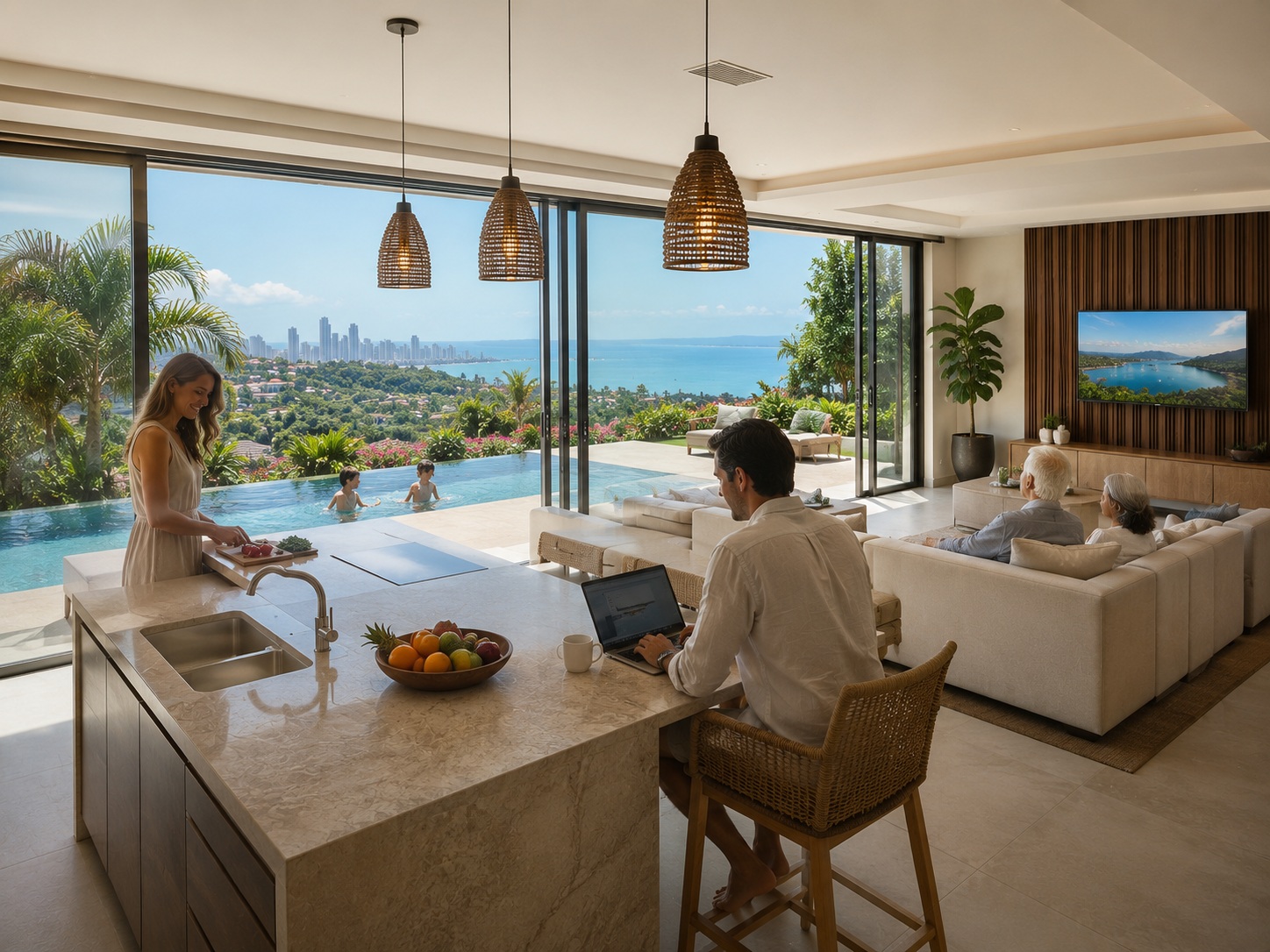
Final Thoughts: Residency as Part of the Investment Strategy
Panama is not just a place to buy property. It is a country where real estate, lifestyle, banking, mobility and legal residence can work together. This is why immigration planning is so important for buyers. A well-chosen property can become a home. A rental asset. A retirement base. A family relocation platform. A second residence. A long-term strategic option. But the best results come when the property purchase and visa strategy are designed together. For some buyers, Panama is a place to visit. For others, it becomes a place to live. And for many international investors, it becomes something even more valuable: a secure legal foothold in one of the most connected countries in the Americas.